- Please do not hesitate to contact us for more information :
- +65 6570 0555
- info@bsg.com.sg

From Design to Handover: The 8-Phase Landscape Construction Timeline in Singapore

Singapore’s $50,000 Tree Felling Fine: Complete Legal Guide to Cutting Down Trees (Parks and Trees Act 2026)
April 8, 2026
The Hidden Cost of Cheap Grass Cutting Services: A Singapore Property Owner’s Guide
May 6, 2026From Design to Handover: The 8-Phase Landscape Construction Timeline in Singapore
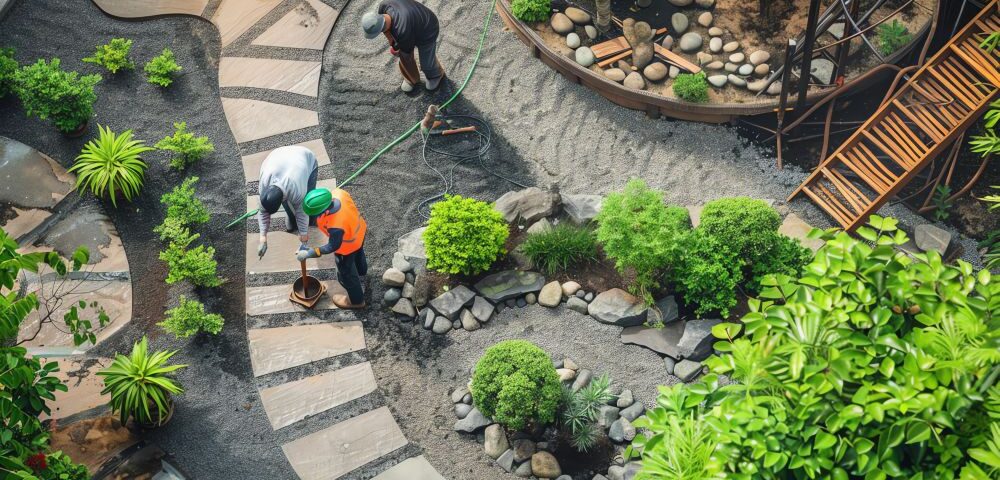
Landscape construction is more than planting trees and laying pavers. It is a structured, regulated, and highly coordinated process that transforms design concepts into functional outdoor environments. Whether you are developing a commercial property, upgrading a condominium, or enhancing a landed home, working with a professional landscape contractor in Singapore ensures your project is delivered safely, compliantly, and on schedule.
In Singapore’s regulated urban environment, landscape construction must align with guidelines from NParks, BCA, PUB, and other authorities. A systematic approach is essential. Below, we break down the 8 key phases of professional landscape construction, so you understand exactly what to expect—from initial consultation to final handover.
Phase 1: Initial Site Assessment and Client Consultation
Every successful landscape construction project begins with a thorough site assessment.
During this phase, the landscape contractor evaluates:
- Site topography and soil conditions
- Existing trees and vegetation
- Drainage systems and utility lines
- Access points for machinery
- Regulatory constraints
Client consultation is equally important. We clarify objectives, budget range, maintenance expectations, and project timeline.
This stage prevents costly redesigns and ensures the proposed landscape design complies with Singapore’s building regulations and environmental guidelines.
Phase 2: Design Development and Material Selection
Once site data is collected, the design process begins.
Professional landscape construction involves:
- Conceptual layout drawings
- Detailed construction plans
- 3D visualisations (if required)
- Hardscape and softscape specifications
- Material and plant selection suited to Singapore’s climate
Material selection is critical. Outdoor paving must withstand heavy rainfall. Plant species must thrive in tropical humidity. Structural elements must comply with BCA requirements.
A reputable landscape contractor in Singapore ensures that design intent aligns with practical execution. Every material is selected for durability, safety, and long-term maintenance efficiency.
Phase 3: Permit Applications and Regulatory Approvals
In Singapore, regulatory compliance is non-negotiable.
Depending on the project, approvals may be required from:
- NParks (for protected trees and greenery regulations)
- BCA (for structural elements and construction compliance)
- PUB (for drainage and water discharge systems)
- Town councils or MCSTs (for residential developments)
Failing to secure approvals can result in work stoppages or penalties. An experienced landscape contractor manages documentation, submission, and coordination with authorities. This protects clients from delays and ensures the project meets all statutory requirements.
Phase 4: Pre-Construction Site Preparation
Before installation begins, the site must be properly prepared.
This phase typically includes:
- Site clearing and debris removal
- Safe tree removal or relocation (if required)
- Temporary site protection
- Soil testing and grading
- Erosion control measures
Proper site preparation ensures structural stability and prevents drainage issues later. If tree works are necessary, professional tree cutting services must be conducted safely to protect surrounding property and comply with NParks regulations.
Preparation sets the foundation for everything that follows.
Phase 5: Hardscape Installation and Infrastructure Work
Hardscape forms the structural backbone of landscape construction.
This phase includes:
- Paving and walkways
- Retaining walls
- Decking and pergolas
- Water features
- Concrete foundations
- Underground infrastructure
Precision is essential. Poor workmanship at this stage can lead to uneven surfaces, water ponding, or structural failure. Drainage systems are carefully integrated to manage Singapore’s heavy rainfall. All installations are conducted in accordance with engineering and safety standards. A systematic hardscape installation ensures the landscape is both aesthetically pleasing and structurally sound.
Phase 6: Softscape Implementation and Planting
Once structural elements are complete, softscape installation begins.
This includes:
- Tree planting
- Shrub and groundcover installation
- Turfing
- Soil conditioning and fertilisation
Plant selection must align with sunlight exposure, soil type, and irrigation design.
Tree planting is conducted according to professional arboricultural standards to ensure healthy root development. If your project includes mature tree relocation or protection works, ongoing tree maintenance may be required to preserve long-term plant health.
Proper planting techniques reduce transplant shock and improve survival rates.
Phase 7: Irrigation and Lighting System Installation
Modern landscape construction integrates functional systems that enhance usability and sustainability.
Irrigation systems ensure plants receive consistent watering, particularly during dry spells. Automated systems reduce water wastage and align with PUB’s water efficiency guidelines.
Landscape lighting improves:
- Safety along pathways
- Nighttime usability
- Visual impact
- Security
Electrical installations are carefully coordinated to prevent hazards and ensure compliance with safety regulations.
These systems are tested thoroughly before final handover.
Phase 8: Final Inspection, Handover, and Maintenance Planning
The final phase ensures quality assurance.
A comprehensive inspection includes:
- Structural checks
- Drainage testing
- Plant health evaluation
- Irrigation and lighting functionality tests
Any defects are rectified before handover.
Clients receive maintenance guidelines to protect their investment. Ongoing landscape care is essential to preserve plant vitality and prevent structural deterioration.
Post-construction maintenance may include:
- Scheduled tree care
- Turf management
- Irrigation adjustments
- Fertilisation programs
A professional landscape contractor in Singapore provides continued support beyond project completion.
Why a Structured Landscape Construction Process Matters

Landscape construction in Singapore involves technical coordination, regulatory compliance, and environmental considerations.
A structured process ensures:
- Compliance with NParks and BCA regulations
- Proper drainage management to prevent flooding
- Safe tree handling and preservation
- Long-term durability of hardscape features
- Healthy plant establishment
- Clear project timelines and accountability
Without professional oversight, risks include structural defects, plant failure, drainage issues, and regulatory penalties.
Choosing an experienced landscape contractor protects your investment and ensures the outcome aligns with both design vision and statutory requirements.
Work with a Professional Landscape Contractor Singapore
Landscape construction is an investment in safety, aesthetics, and long-term property value. From site analysis to final inspection, every phase must be executed with precision and regulatory awareness.
If you are planning a landscape project, consult a trusted landscape contractor in Singapore with proven experience in structured project management and compliant construction practices. Contact us today to arrange an on-site assessment and begin your landscape construction journey with confidence.
Frequently Asked Questions About Landscape Construction in Singapore
How long does landscape construction take in Singapore?
Project timelines vary based on scope. Small residential projects may take 4–8 weeks. Larger commercial or public projects may require several months due to approvals and phased construction.
Do I need permits for landscape construction in Singapore?
Yes, depending on project scope. Works involving protected trees, drainage systems, or structural components typically require approval from the relevant authorities.
What is the difference between hardscape and softscape?
Hardscape refers to structural elements such as paving, walls, and decking. Softscape refers to living components like trees, shrubs, and turf.
How much does landscape construction cost in Singapore?
Costs depend on design complexity, material selection, plant size, and site conditions. A professional site assessment is required for accurate budgeting.
Can landscape construction be done during the rainy season?
Yes, but scheduling adjustments may be required. Proper drainage planning ensures that the weather does not compromise structural integrity.