- Please do not hesitate to contact us for more information :
- +65 6570 0555
- info@bsg.com.sg

NParks Tree Conservation Area Rules: What Property Owners Must Know Before Tree Transplanting in Singapore

The Hidden Cost of Cheap Grass Cutting Services: A Singapore Property Owner’s Guide
May 6, 2026
Crown Reduction vs Crown Lifting vs Pollarding: Which Does Your Tree Need?
October 13, 2026NParks Tree Conservation Area Rules: What Property Owners Must Know Before Tree Transplanting in Singapore
Singapore is known as a City in Nature, and a key part of that vision is protecting mature trees across the island. To safeguard these trees, the National Parks Board (NParks) established Tree Conservation Areas (TCAs) under the Parks and Trees Act.
Tree Conservation Areas are designated zones where mature trees are protected by law. These areas are typically located in regions with significant greenery and mature tree populations, such as parts of central Singapore and the eastern region.
Within these zones, certain trees cannot be removed, relocated, or significantly altered without approval from NParks. This includes activities such as:
- Tree cutting or removal
- Tree transplanting or tree moving
- Major pruning that affects the structural integrity of a tree
The purpose of these regulations is simple: to preserve large, healthy trees that contribute to Singapore’s biodiversity, shade, and environmental stability.
For property owners, developers, and facility managers, this means that any tree planting, tree transplanting, or development work involving existing trees must be carefully assessed for regulatory compliance before work begins.
Ignoring these requirements can result in project delays, enforcement actions, and substantial fines.
When You Need NParks Approval for Tree Moving (The 1-Meter Girth Rule)
One of the most important rules property owners must understand is the 1-meter girth rule.
In Singapore’s Tree Conservation Areas, NParks approval is required if a tree has a girth exceeding 1 metre when measured 1 metre above ground level.
This applies to activities including:
- Tree transplanting
- Tree moving
- Tree cutting
- Significant pruning that may affect the tree’s health or structure
What Does “Tree Girth” Mean?
Tree girth refers to the circumference of the trunk measured 1 metre above the ground. If the trunk measurement exceeds 1 metre in circumference, the tree is legally protected within TCAs. Even if the tree is located within private property, approval is still required before relocation or removal.
Common Situations That Trigger Approval Requirements
Property owners often encounter these regulations during:
- Home renovation or rebuilding projects
- Landscape construction
- Basement excavation or foundation work
- Driveway or car porch expansion
- Infrastructure upgrades
- Commercial redevelopment projects
If mature trees are present on the site, tree transplanting may be required instead of removal to preserve valuable trees while allowing development to proceed.
The Application Process: Timeline and Documentation Required
Relocating protected trees requires formal approval from NParks before any work can begin. The permit process ensures that tree moving and tree transplanting are conducted safely and responsibly. A professional contractor typically manages this process on behalf of property owners.
Step 1: Tree Survey and Assessment
A qualified arborist or tree specialist will first conduct a site inspection to evaluate:
- Tree species
- Tree girth measurements
- Overall tree health
- Structural stability
- Suitability for tree transplanting
Not every tree is suitable for relocation. Some trees may be too mature, structurally compromised, or sensitive to transplantation.
Step 2: Arborist Report Preparation
For protected trees, an arborist report is often required. This report may include:
- Tree location plans
- Girth measurements
- Tree health assessment
- Justification for tree moving or transplanting
- Proposed transplanting method
- Tree protection measures during construction
Step 3: NParks Permit Application
The contractor submits the permit application to NParks along with supporting documentation.
This typically includes:
- Arborist report
- Site plans and drawings
- Proposed transplant location
- Method statement for tree transplanting
- Construction impact assessment
Step 4: NParks Review and Approval
NParks will review the application and may:
- Approve the transplant proposal
- Request additional information
- Require modifications to the transplanting plan
Approval timelines typically range from 2 to 6 weeks, depending on the project’s complexity. Work should never begin before official approval is granted.
Penalties for Unauthorised Tree Transplanting in TCAs
Singapore takes tree protection laws seriously. Unauthorised activities involving protected trees can result in significant legal penalties.
Under the Parks and Trees Act, violations may include:
- Cutting protected trees without approval
- Unauthorised tree transplanting or tree moving
- Damaging trees during construction activities
- Conducting development work that harms protected trees
Possible Consequences
Penalties may include:
- Fines of up to S$50,000 per offence
- Stop-work orders
- Mandatory restoration measures
- Additional enforcement actions from regulatory authorities
Beyond financial penalties, unauthorised work can also cause project delays, contractual issues, and reputational risks for developers and property managers. For this reason, most projects involving mature trees rely on professional tree transplanting contractors familiar with NParks regulations.
How Professional Tree Transplanting Contractors Navigate NParks Requirements
Tree transplanting in Singapore is both a technical arboriculture task and a regulatory process. Experienced contractors ensure that projects remain compliant while preserving valuable trees.
Regulatory Knowledge
Professional contractors understand:
- Tree Conservation Area regulations
- NParks permit requirements
- Tree protection standards during construction
- Arborist documentation requirements
This expertise helps avoid costly compliance issues.
Technical Tree Transplanting Methods
Successful tree moving requires careful preparation and specialised equipment.
Professional transplanting typically involves:
- Root ball preparation to protect the tree’s root system
- Gradual root pruning before relocation
- Mechanical lifting using cranes or specialised machinery
- Soil preparation at the new planting location
- Stabilisation using support systems
- Post-transplant maintenance and monitoring
These steps help improve survival rates and ensure the tree thrives in its new location.
Long-Term Tree Health
Professional tree planting and transplanting services also focus on long-term tree health by managing:
- Soil conditions
- Irrigation systems
- Root establishment
- Structural support
- Ongoing pruning and maintenance
This approach protects both landscape aesthetics and environmental sustainability.
Why Tree Transplanting Is Often the Best Solution
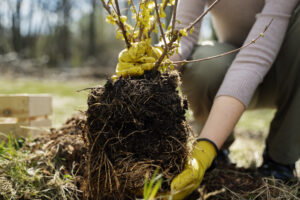
In many development projects, tree transplanting offers a balanced solution between construction needs and environmental conservation.
Benefits include:
- Preserving mature trees with ecological value
- Maintaining natural shade and landscape character
- Supporting Singapore’s urban biodiversity
- Demonstrating environmental responsibility in development projects
- Complying with government regulations
Rather than removing mature trees, tree moving allows valuable trees to continue growing in a new location.
Work With Experts in Tree Transplanting and Tree Moving
Tree transplanting in Singapore requires technical expertise, regulatory knowledge, and careful planning. From permit applications to safe relocation, working with experienced professionals helps ensure the process is handled correctly.
If you are planning tree moving, tree transplanting, or tree planting as part of a renovation or development project, professional guidance can help protect your trees while keeping your project compliant with NParks regulations.
Contact us today to schedule an on-site assessment or consultation for your tree transplanting project.
Frequently Asked Questions About Tree Transplanting in Singapore
What is a Tree Conservation Area in Singapore?
A Tree Conservation Area is a designated zone where mature trees are protected under the Parks and Trees Act. Trees exceeding 1 metre in girth within these areas require NParks approval before removal, pruning, or tree transplanting.
How can I determine whether my property is in a Tree Conservation Area?
You can check with NParks or consult professional arborists and tree contractors who can verify whether your property falls within a protected zone.
What size tree requires approval for transplanting?
Trees with a girth greater than 1 metre measured at 1 metre above ground require approval within Tree Conservation Areas.
How long does NParks’ tree transplanting approval take?
Most applications take 2 to 6 weeks, depending on documentation requirements and project complexity.
What are the penalties for unauthorised tree moving?
Penalties may include fines of up to S$50,000 per offence, stop-work orders, and mandatory restoration requirements.
Can heritage trees be transplanted?
Heritage trees are subject to stricter protection. Special approvals and technical assessments are required before any relocation can be considered.
When is the best time for tree transplanting in Singapore?
Tree transplanting can be carried out year-round in Singapore’s climate, but careful preparation and post-transplant care are essential for success.
Do I need approval to plant trees in my garden?
Generally, tree planting on private property does not require approval unless it affects protected trees or occurs within regulated development zones.